
Original Art by Ginette Callaway since 1999 online! Oil Paintings, Watercolors, Mixed Media. Italy, France, United States, Flowers, Landscape, Animal Portraits, Still Life +
New Discount Code to purchase art prints from Ginette’s Galleries
CLICK HERE to see prints Use 10% Discount Code YGJZJU ends July 02/2026
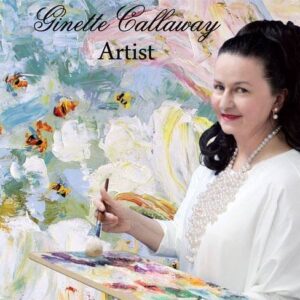
Artist Statement
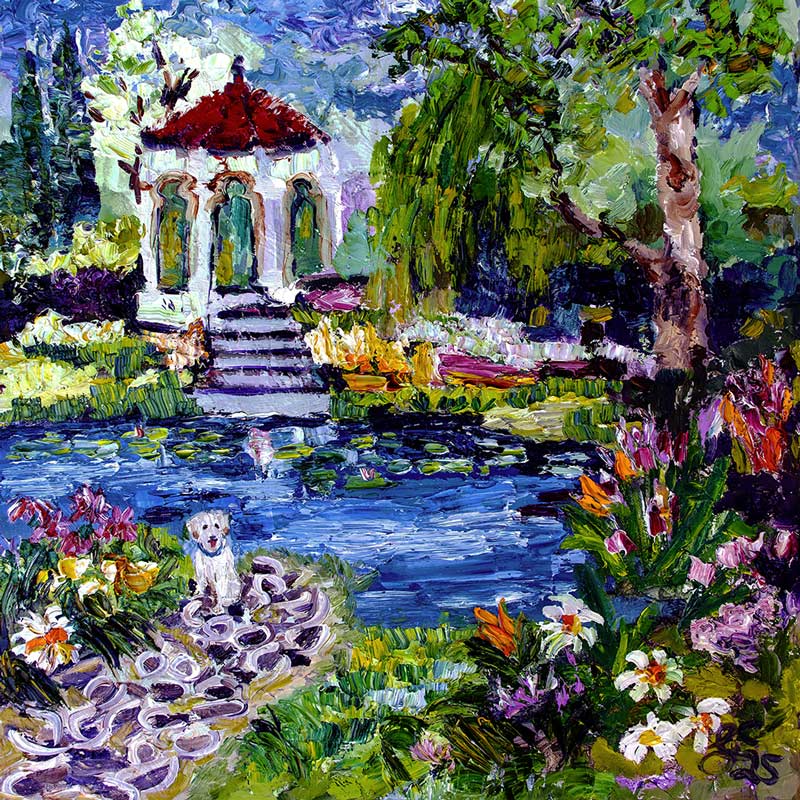
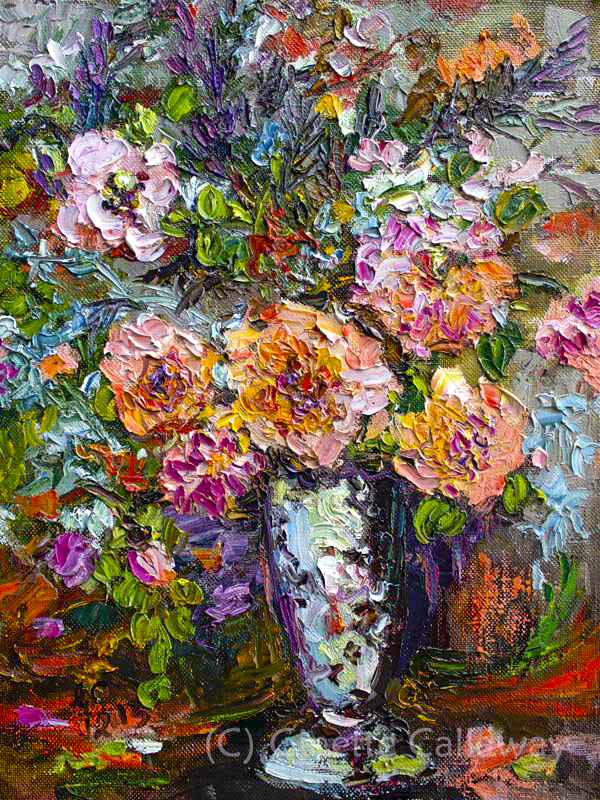
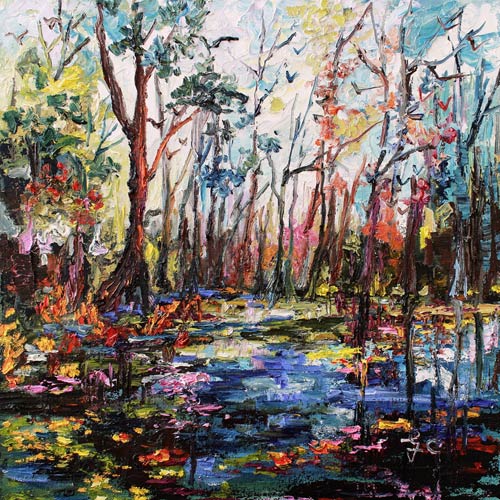
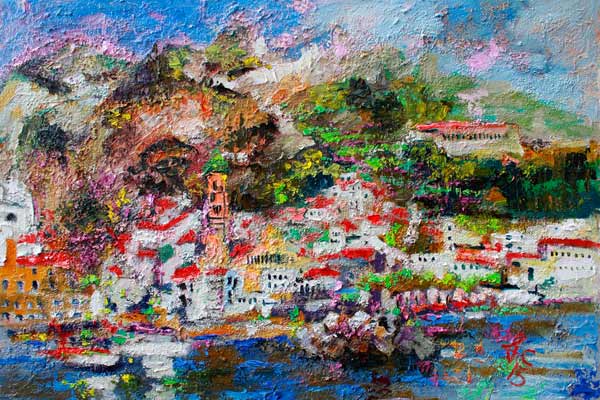
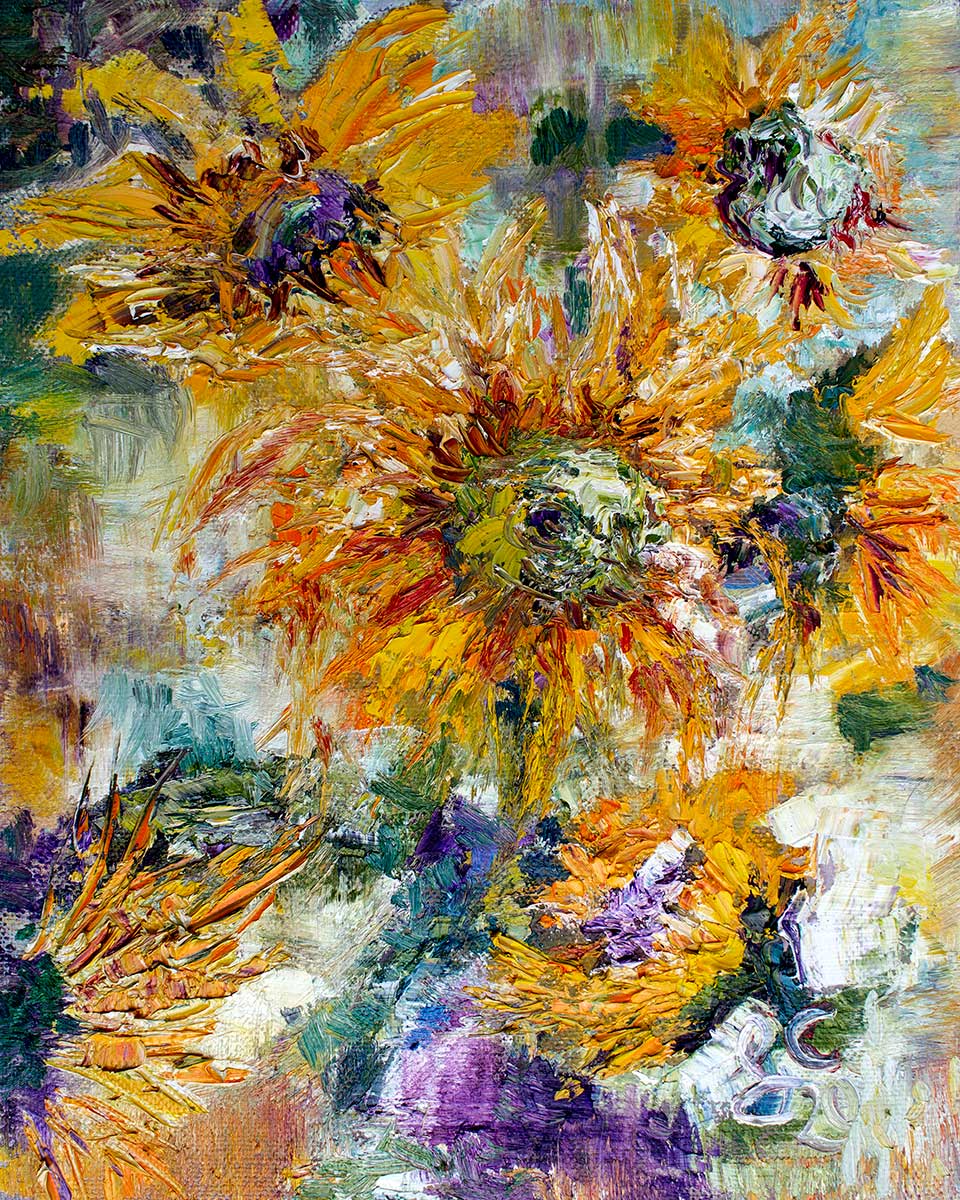
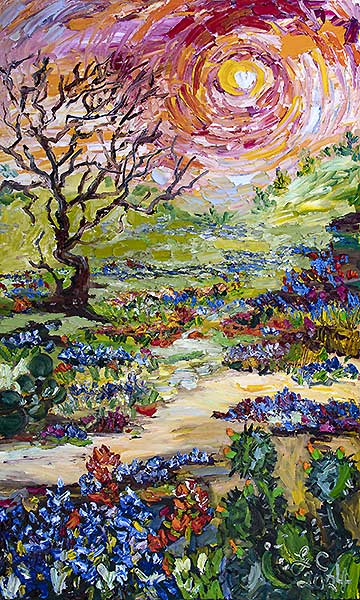
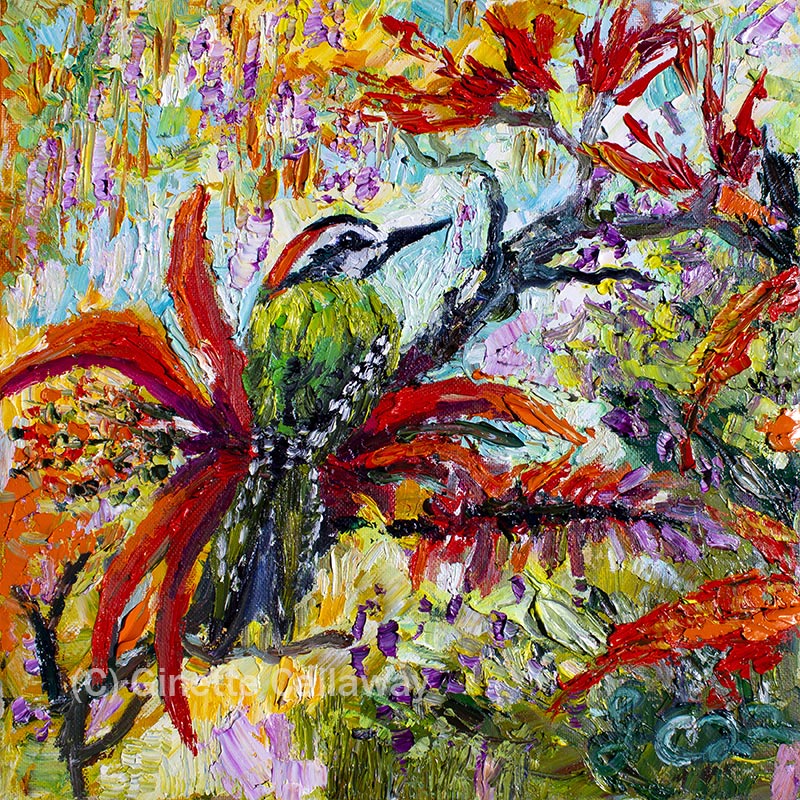
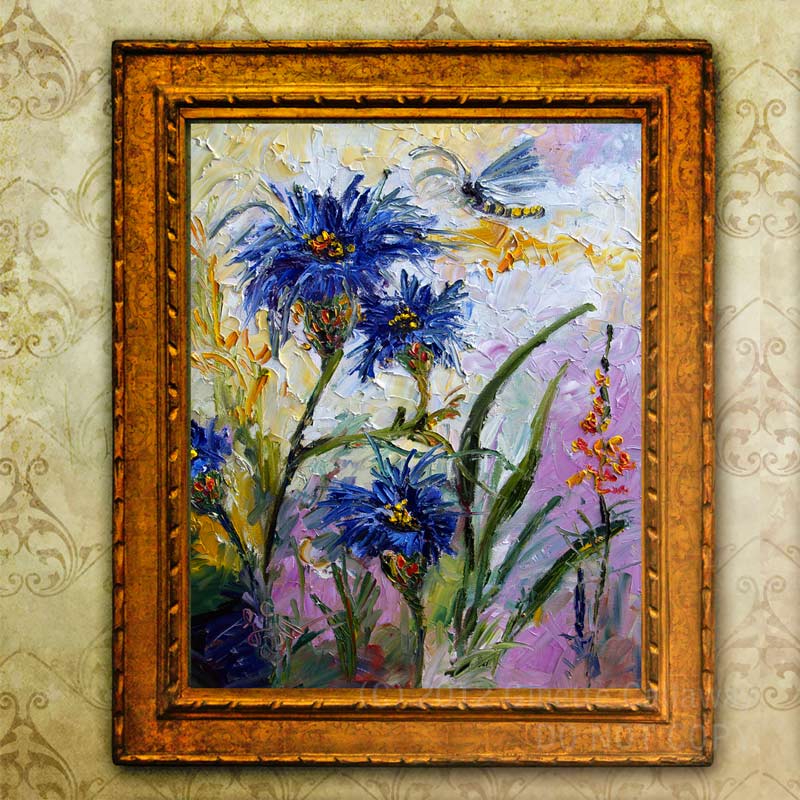
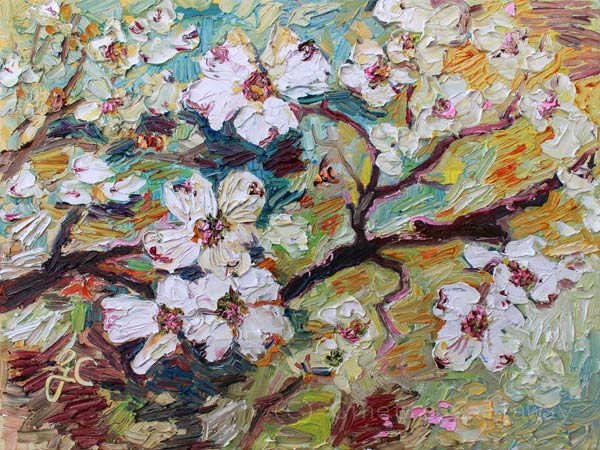
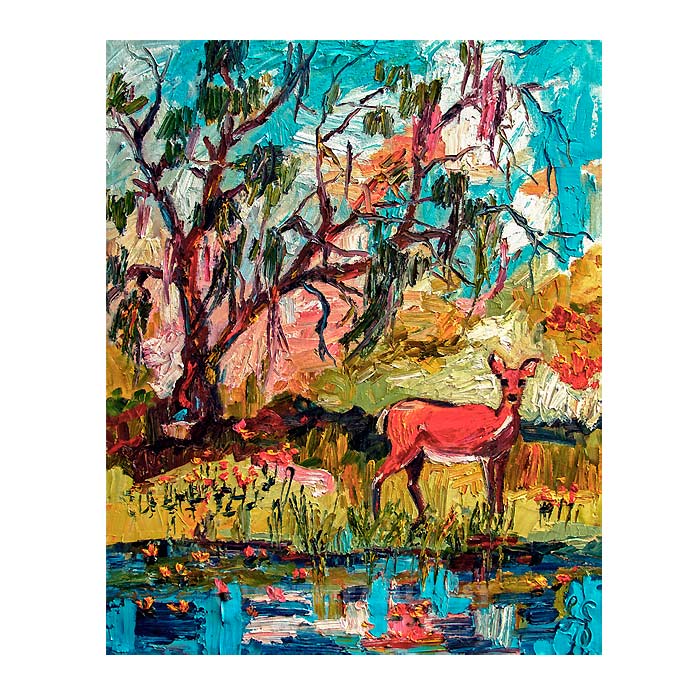
My art is a vibrant reflection of the places I have visited and the memories I hold dear. From the colorful landscapes of Italy and France to the charming towns of Georgia, South Carolina, and Texas, I draw inspiration from my personal experiences and travels. My technique of using thick layers of paint and incorporating ink work in my watercolors creates a unique and instantly recognizable style.
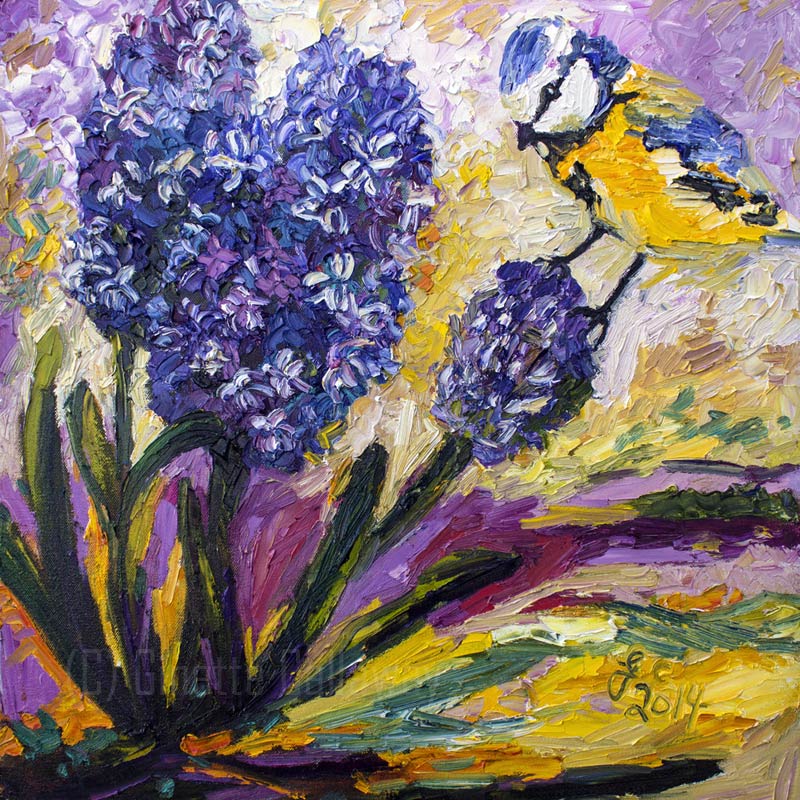
Nature plays a significant role in my art, with birds and insects often making an appearance in my paintings. The passage of time, the play of light, and the beauty of life itself are my main muses. Each brushstroke and each color choice on the canvas is a reflection of the world as I see it – vibrant, colorful, and full of life.
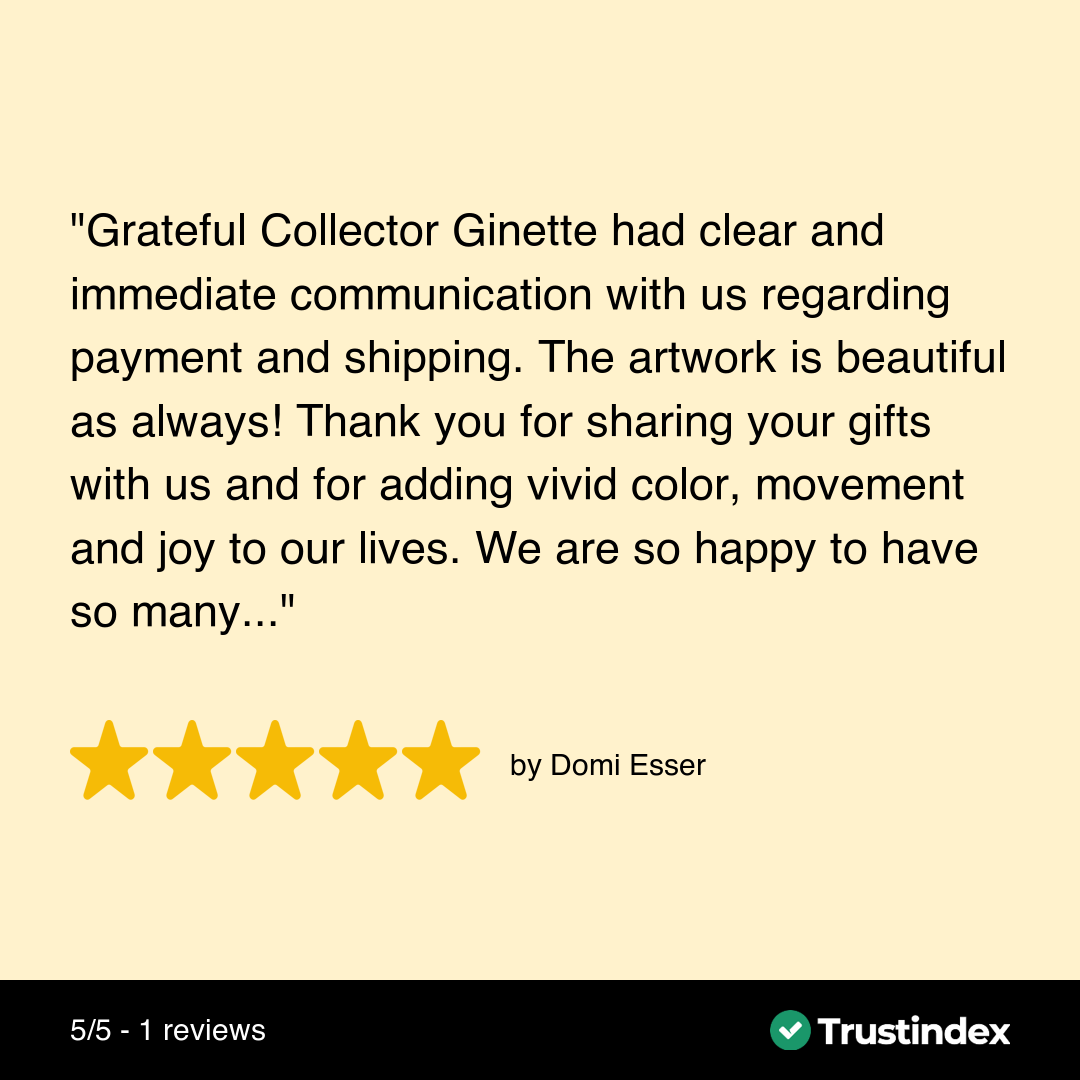
Latest Review
Italy
Watercolors
Impressionist inspired
Flowers
Art Prints
Share this:
- Share on Facebook (Opens in new window) Facebook
- Share on LinkedIn (Opens in new window) LinkedIn
- Share on Reddit (Opens in new window) Reddit
- Share on X (Opens in new window) X
- Share on Tumblr (Opens in new window) Tumblr
- Share on Pinterest (Opens in new window) Pinterest
- Share on Telegram (Opens in new window) Telegram